Amovlab works with open-source UAV development workflows for robotics teams, university labs, and engineers building autonomous drone systems. This page introduces the open-source direction behind Amovlab's research platforms and connects developers to related UAV hardware, solution pages, and documentation paths.
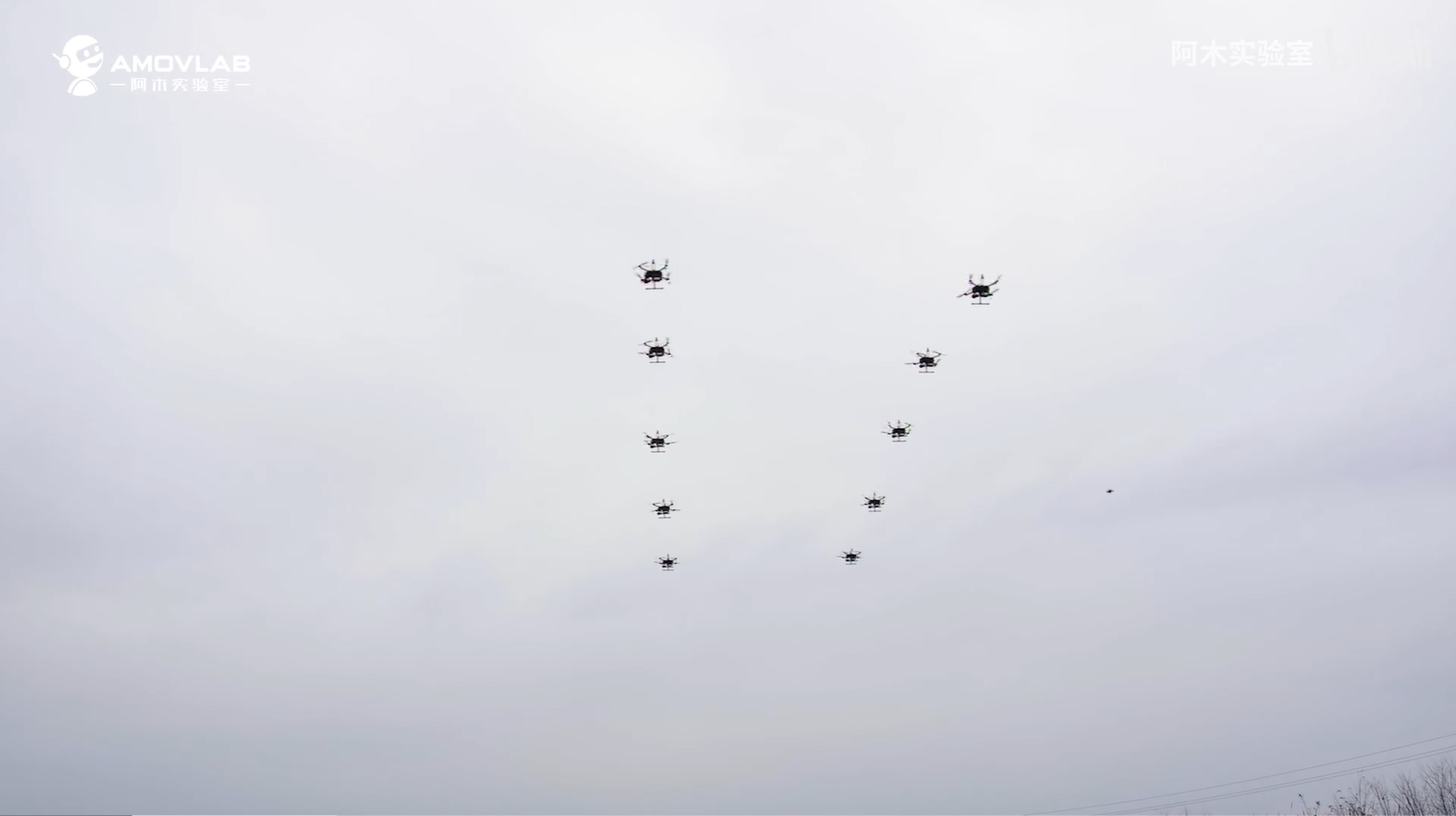
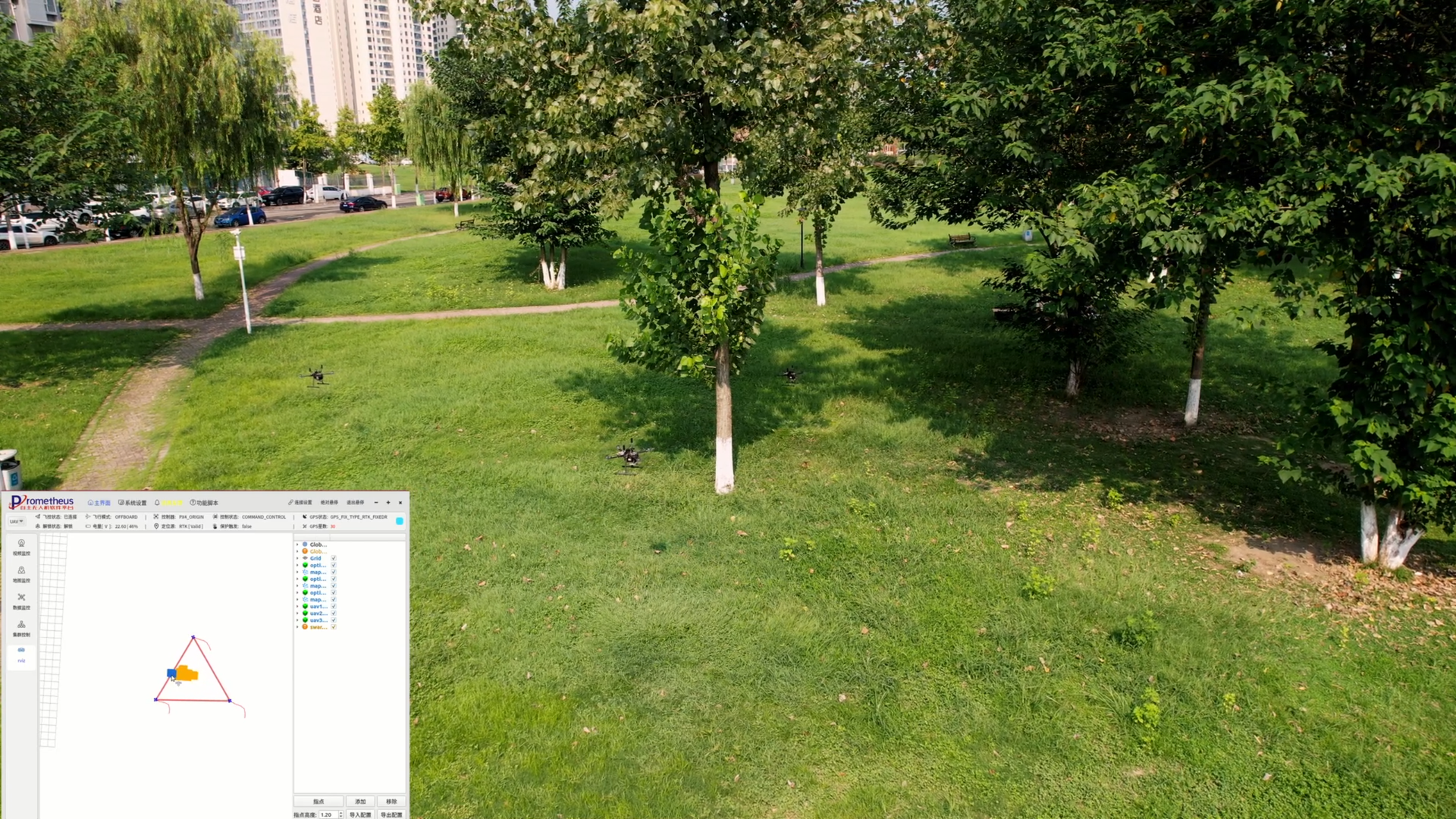
Amovlab's site and technical content reference Prometheus, PX4, ROS, simulation, perception, navigation, and multi-UAV development topics. These open-source-oriented workflows are useful for teams that need to learn, modify, test, and extend UAV autonomy systems instead of treating the drone as a closed product.
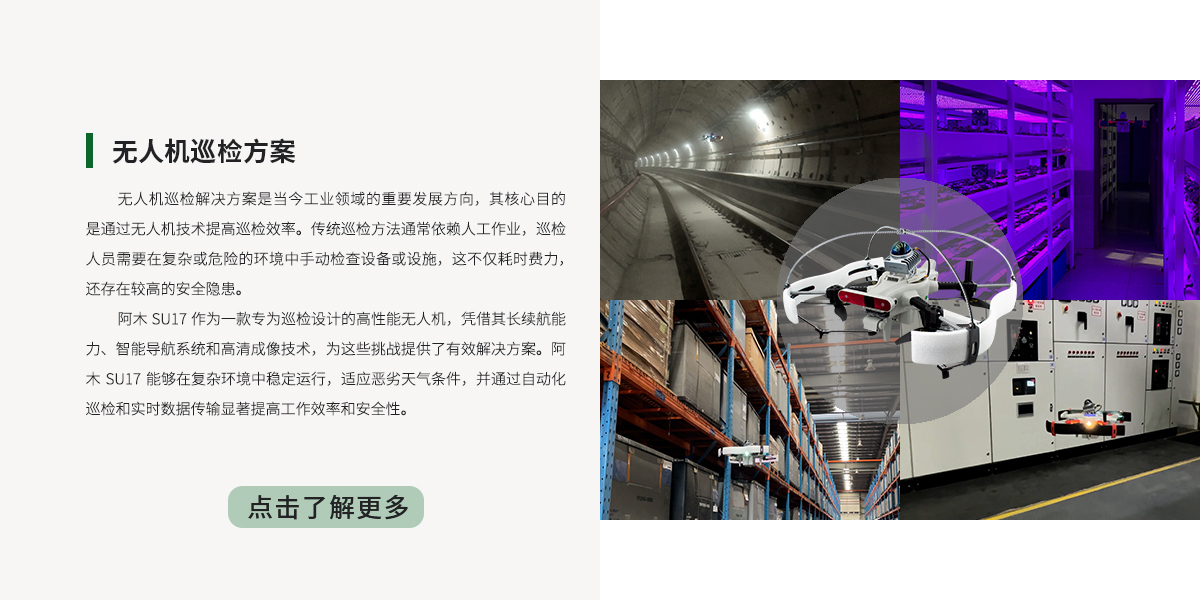
Open-source UAV development usually combines software experiments with real hardware validation. Depending on the project, teams may need an indoor SLAM drone, a research UAV platform, onboard AI computing, communication modules, or constrained test hardware.
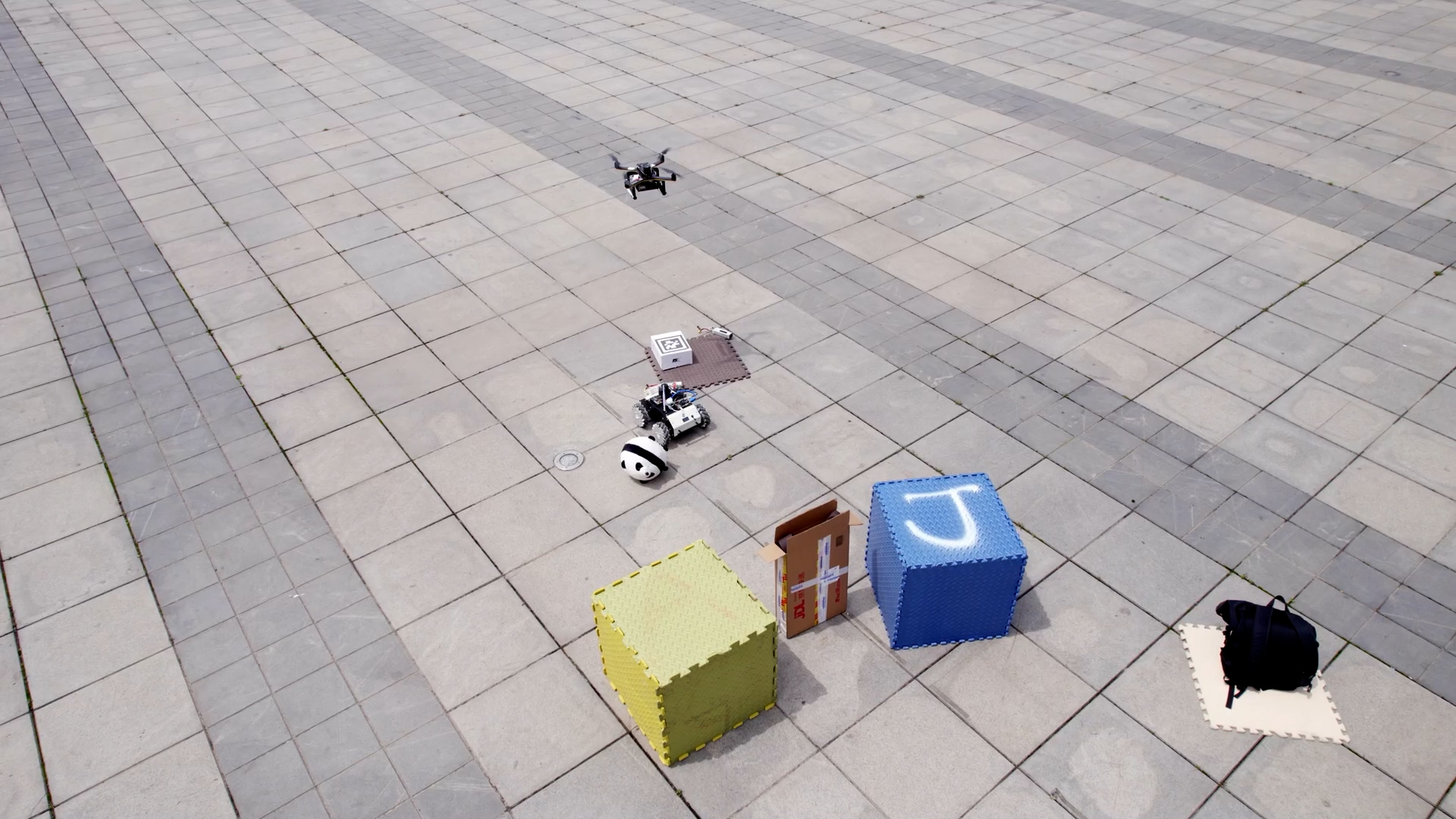
Many UAV projects start in simulation and then move into constrained lab tests, indoor flights, or outdoor field validation. Amovlab's product pages and solution pages should help teams connect those steps with the right platform and supporting hardware. Exact configuration details should be confirmed with Amovlab before procurement or deployment.
No. It is a development ecosystem page that connects open-source UAV workflows with relevant Amovlab products, solutions, and documentation paths.
Amovlab content and product positioning reference PX4 and ROS workflows. Exact supported versions, examples, and configuration details should be confirmed for each project.
Start with the UAV developer kits page if the goal is teaching, student projects, or a complete lab setup rather than a single hardware item.
Start with SU17 for indoor SLAM and GPS-denied UAV research, then contact Amovlab to confirm sensor, compute, and software configuration.
Building an open-source UAV development workflow? Contact Amovlab with your software stack, research goal, test environment, and hardware requirements.
Thanks for subscribing!
This email has been registered!