AMOVLAB Solution

UAV Inspection Solution

UAV inspection is an important direction in today's industrial field. Its core purpose is to improve inspection efficiency through UAV technology.

Traditional inspection methods usually depend on manual work. Inspectors often need to check equipment or facilities by hand in complex or hazardous environments, which is time-consuming, labor-intensive, and exposed to higher safety risk. The rise of UAV inspection provides a transformative solution to these problems. With advances in automated flight planning and obstacle avoidance, inspection efficiency can be greatly improved.

ROBOSN BO1 Quester UAV inspection solution

Built around ROBOSN BO1 Quester for reliable inspection work.

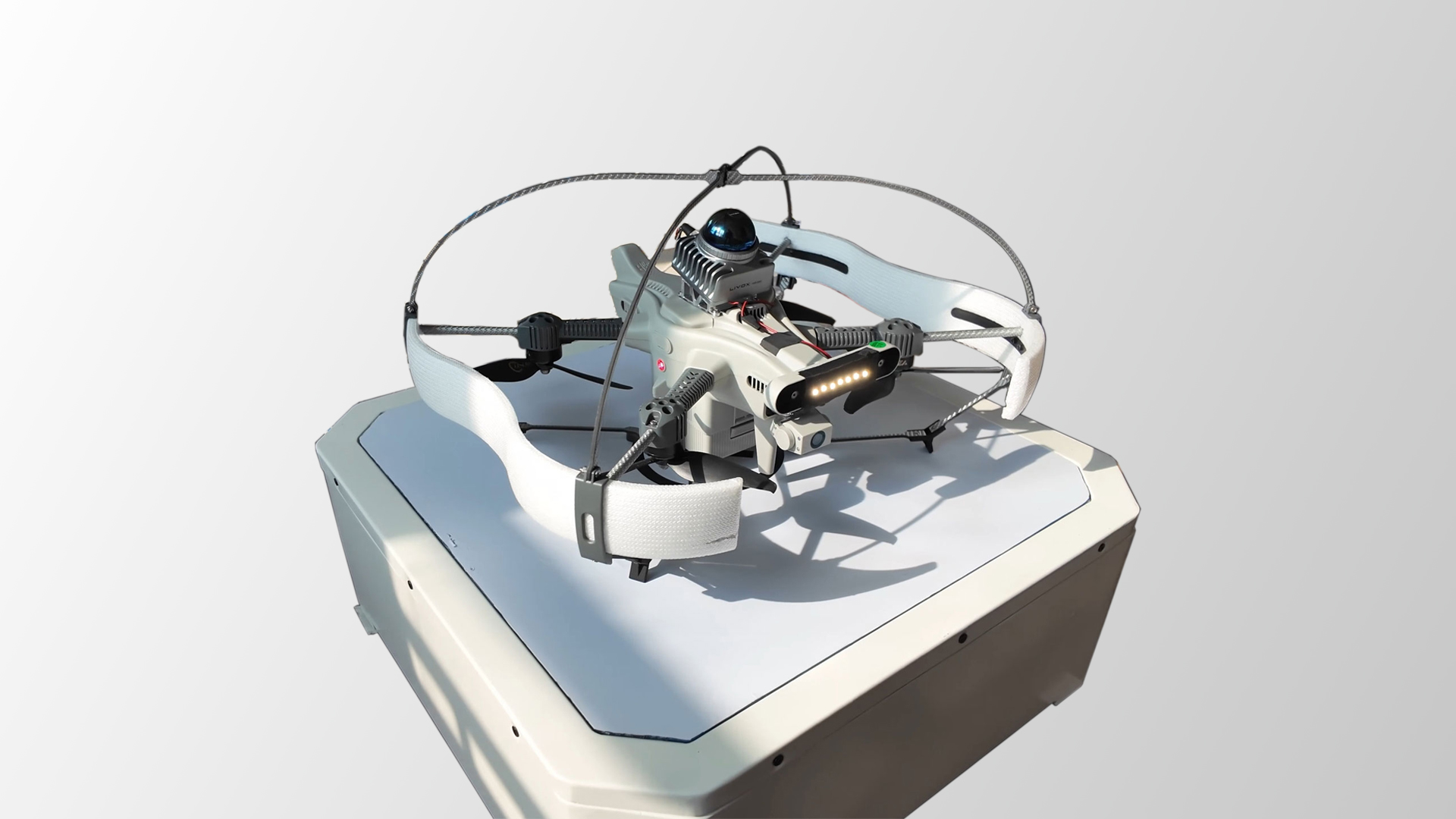
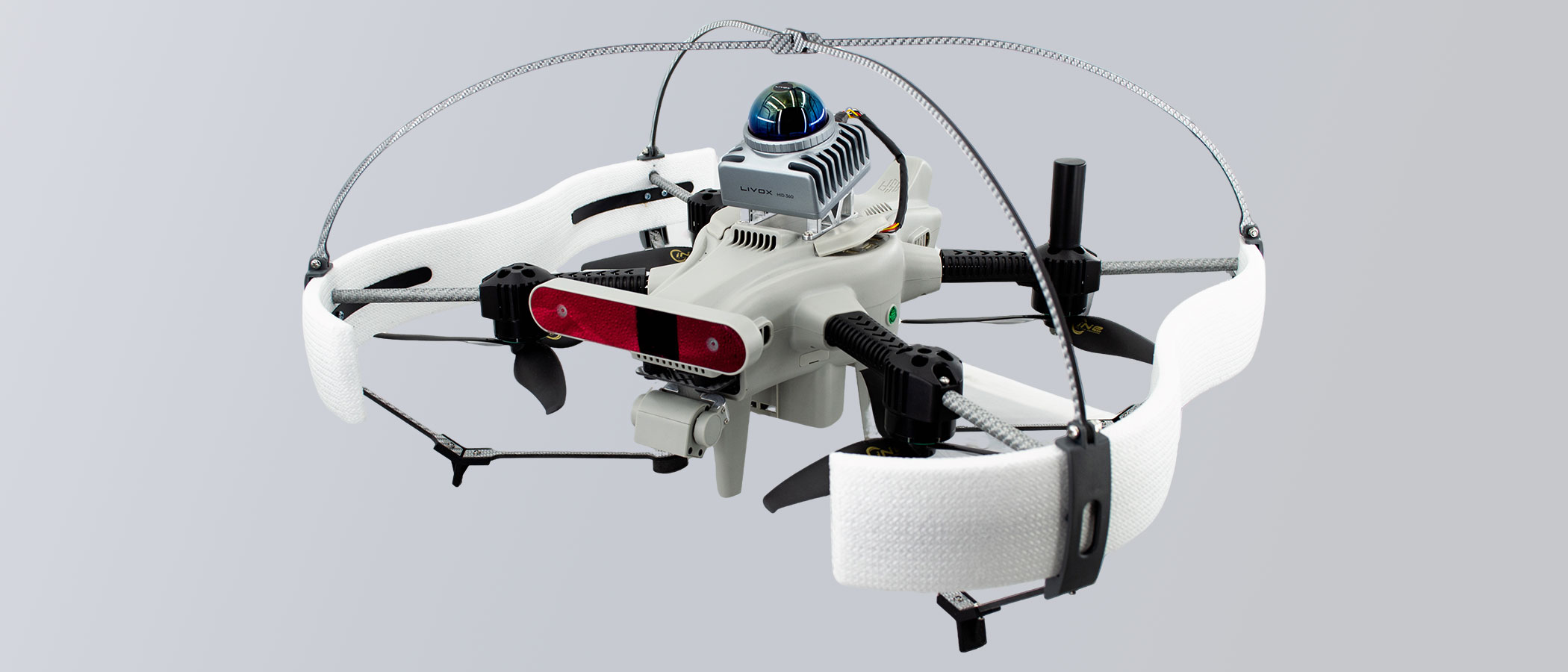
ROBOSN BO1 Quester is a high-performance UAV designed specifically for inspection scenarios. With long endurance, high payload capacity, intelligent navigation, and high-definition imaging, it offers an effective answer to the operational challenges of industrial inspection.

ROBOSN BO1 Quester can operate stably in complex environments, adapt to harsh weather conditions, and significantly improve operating efficiency and safety through automated inspection and real-time data transmission. With excellent performance and intelligent functions, the ROBOSN BO1 Quester UAV inspection solution helps bring both efficiency and safety improvements to electric power, petrochemical, construction, and other industrial fields.

Multiple strengths for inspection operations.

ROBOSN BO1 Quester UAV product view
Click the image to learn more about the ROBOSN BO1 Quester UAV.
ROBOSN BO1 Quester integrated hardware
01

Highly Integrated Hardware

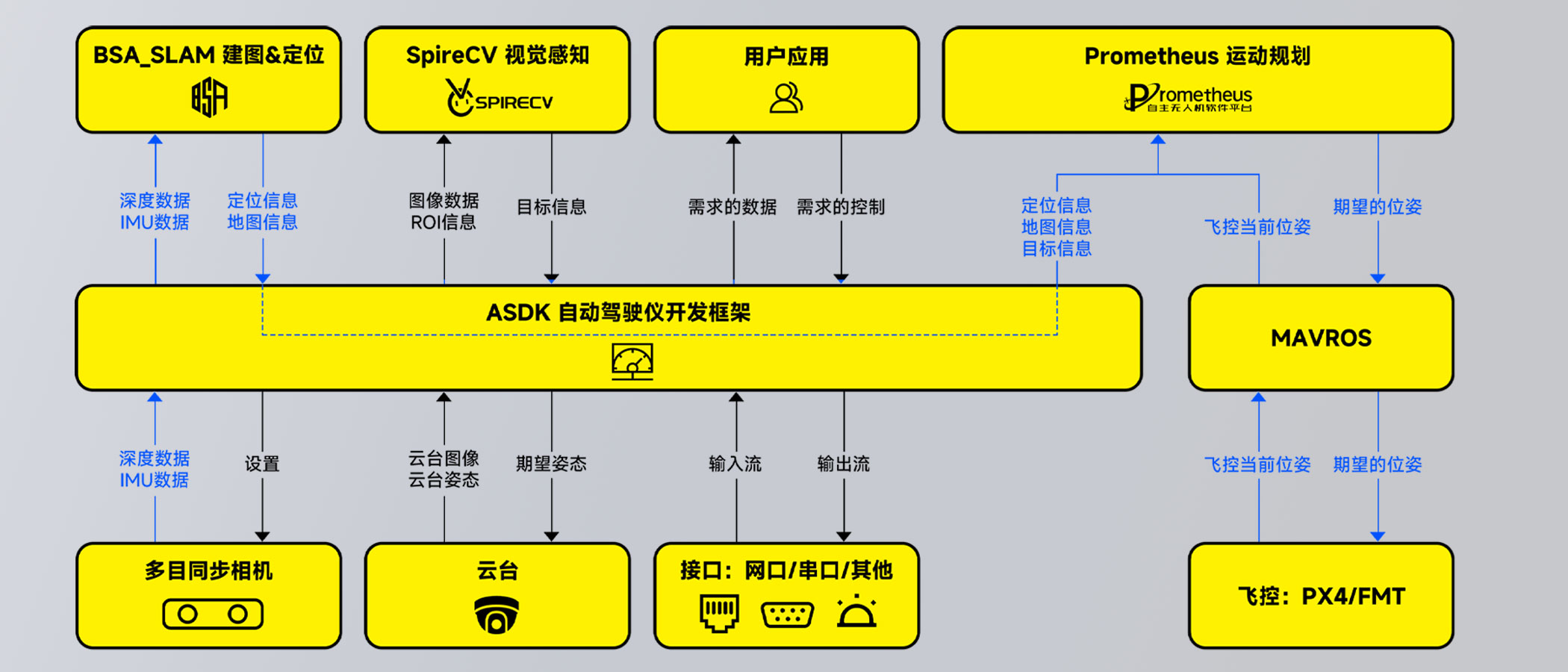
ROBOSN BO1 Quester supports four-eye SLAM, 3D LiDAR, optical-flow altitude hold sensors, gimbal pods, and other sensor equipment. It integrates AMOVLAB's self-developed flight controller, data and video link, high-performance onboard computer, four MIPI time-synchronized cameras, and one 2-megapixel main camera. This highly integrated hardware system helps collect more comprehensive and accurate inspection data.

ROBOSN BO1 Quester secondary development interface
02

Convenient Secondary Development

For secondary development, ROBOSN BO1 Quester provides ASDK-G, a ground-control-station application development interface. The aircraft data access interface ASDK-D supports gimbal control, video streaming, raw four-eye vision images, IMU data, external serial-port read and write, lighting control, and other payload SDKs. ASDK-G also provides one-click takeoff, one-click landing, and route-planning interfaces, enabling developers to customize the aircraft for different inspection scenarios.

ROBOSN BO1 Quester safety protection
03

Strong Safety Protection

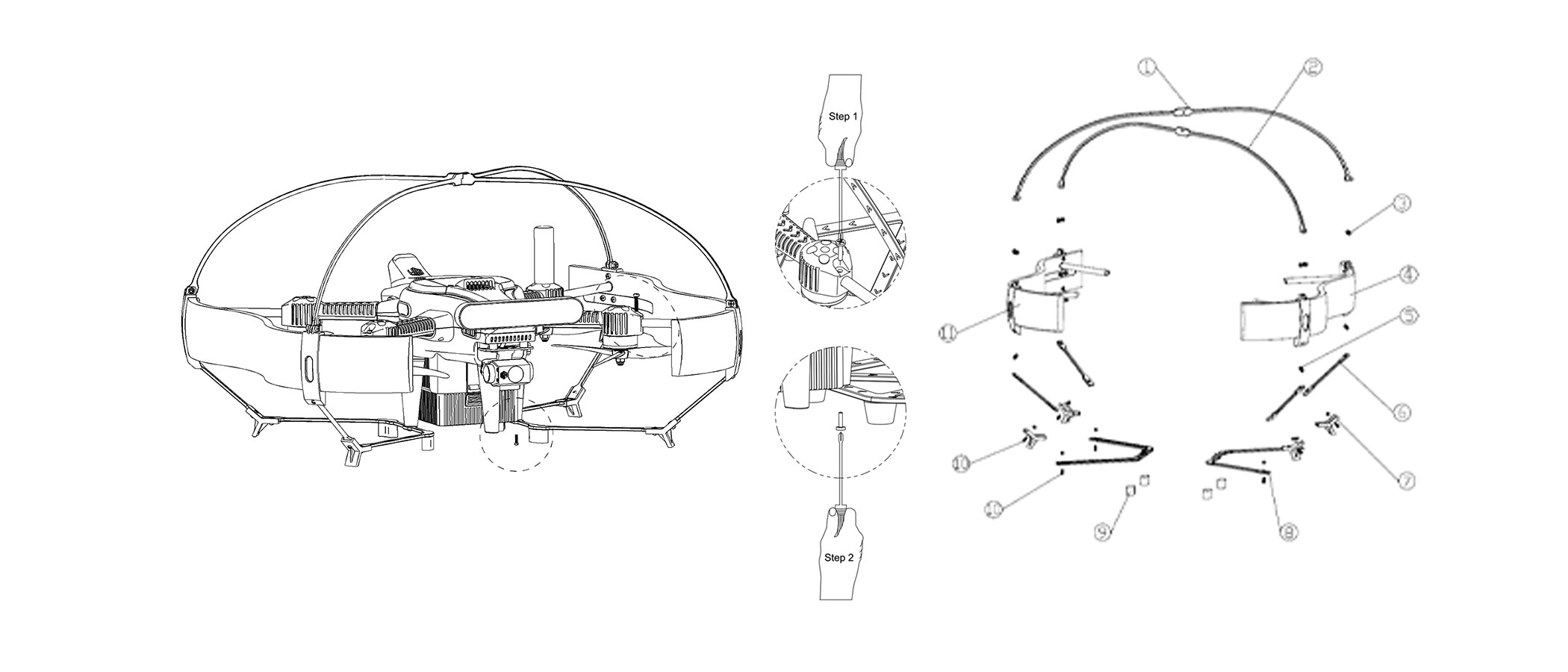
ROBOSN BO1 Quester is carefully designed for safety protection, especially for indoor inspection scenarios. It helps keep inspection work safe and stable while reducing operational risk in complex environments.

ROBOSN BO1 Quester environment adaptability
04

Strong Environmental Adaptability

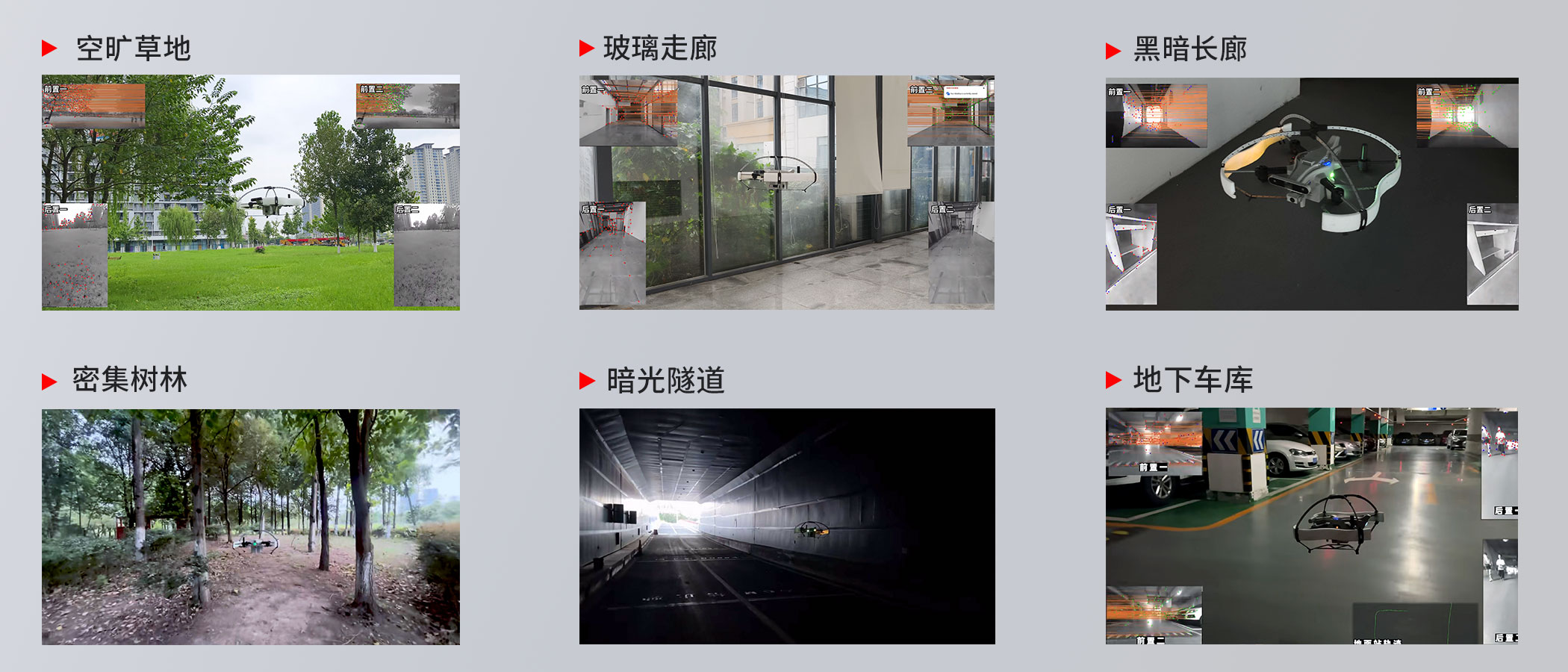
ROBOSN BO1 Quester can operate steadily in complex environments and adapt to harsh weather conditions. It can execute inspection tasks across different geographic areas and climate conditions, reducing the chance of inspection interruption or inaccurate data caused by environmental factors.

Scenario demonstrations from real inspection tasks.

01

Subway Tunnel Inspection

Demonstrates autonomous navigation, lighting, and detection capabilities inside a tunnel.

02

Indoor Greenhouse Inspection

Demonstrates environmental monitoring and precise positioning functions.

03

Factory Workshop Inspection

Demonstrates equipment detection capability in complex working environments.

04

Power Distribution Room Inspection

Demonstrates a safe inspection workflow for high-voltage environments.

Contact Us

Planning an indoor UAV inspection project?

Inspection projects in workshops, tunnels, substations, and enclosed sites often face weak GNSS, narrow routes, low light, and safety limits.

Useful details to include

  1. 01 Inspection site type, route length, and flight space
  2. 02 Targets to detect, record, or measure
  3. 03 Positioning, lighting, communication, and safety constraints